
heat reflective glass windows
Using a Thread Gauge An Essential Tool for Precision Measurement In various fields of engineering, manufacturing, and construction, precise measurements are paramount. One of the indispensable tools to achieve this accuracy is the thread gauge. This instrument is essential for anyone who works with threaded components, as it aids in verifying the size and pitch of threads. In this article, we will explore what a thread gauge is, the types available, and how to effectively use it. Understanding Thread Gauges A thread gauge, also known as a thread pitch gauge, is a tool designed to measure the pitch and diameter of screw threads. It consists of a series of metal plates or blades, each featuring different thread profiles. These profiles correspond to various standard thread patterns, allowing users to identify the thread type and size quickly. There are two primary types of thread gauges the pitch gauge and the screw gauge. The pitch gauge typically features blades with cutouts that represent different pitches (the distance between the threads), while a screw gauge comes with a set of fixed sizes that can be matched against the thread to identify its dimensions. The Importance of Using a Thread Gauge Using a thread gauge is crucial for multiple reasons. Firstly, it ensures compatibility between threaded components. When assembling machinery or structures, components must fit together perfectly to avoid malfunctions. An incorrect thread size can lead to issues such as stripped threads, misalignment, or even catastrophic failure under load. Secondly, a thread gauge helps maintain quality control in manufacturing. By regularly checking the dimensions of threaded components, manufacturers can ensure that they consistently produce parts that meet industry standards and specifications. This attention to detail not only boosts product reliability but also enhances safety for end-users. How to Use a Thread Gauge using a thread gauge Using a thread gauge is a straightforward process, but precision is key. Here are the steps to effectively use a thread gauge 1. Clean the Thread Before measuring, ensure that the threaded surface is clean and free of debris. Dirt or corrosion can affect the accuracy of your measurements. 2. Select the Appropriate Blade Take the thread gauge and select a blade that you believe matches the thread pitch of the component you are measuring. If unsure, it’s advisable to try several blades until you find one that fits snugly. 3. Fit the Gauge Gently insert the selected blade into the threads of the component. It should slide in easily but fit tightly without any gaps. If it fits perfectly, you have identified the correct pitch. 4. Read the Measurement Once you have determined the right blade, read the measurement marked on it. This will indicate the thread pitch (e.g., 1.0 mm, 1.5 mm) and can also assist in identifying the thread type (e.g., metric, UNC, UNF). 5. Check for Diameter If necessary, use a screw gauge to measure the diameter of the thread for a complete assessment. Matching both pitch and diameter ensures accurate identification of the thread specification. Conclusion In conclusion, a thread gauge is a vital tool for anyone involved in works that require threaded components. Its ability to quickly and accurately measure thread pitch and diameter plays a critical role in ensuring compatibility and maintaining quality standards. By following the correct procedures for using a thread gauge, users can enhance their workmanship and contribute to the overall efficacy of their projects. Whether you are a seasoned professional or a hobbyist, incorporating a thread gauge into your toolkit can make a significant difference in the precision of your work.
about
heat reflective glass windows
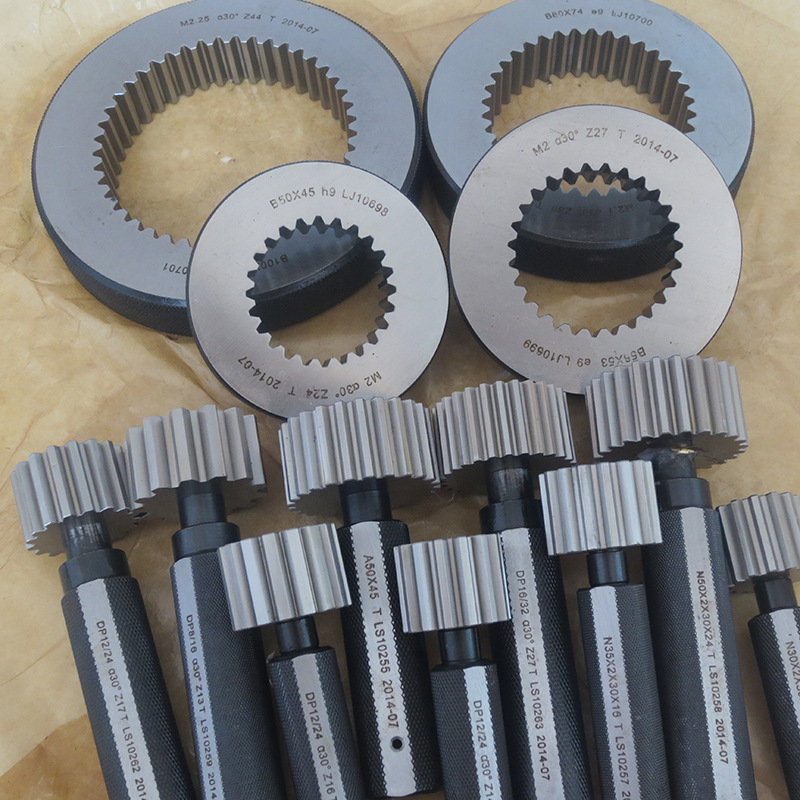
Understanding Master Ring Gages Precision Tools for Quality Control In the world of manufacturing, precision and accuracy are paramount. One of the essential tools used to maintain these standards is the master ring gage. This article delves into the importance, application, and calibration of master ring gages, offering insights into why they are crucial for quality control in various industries. What is a Master Ring Gage? A master ring gage is a cylindrical tool used to measure the outer dimensions of objects. It is typically made from high-grade steel or carbide, providing durability and resistance to wear. Master ring gages are designed to have a highly precise internal diameter, functioning as a reference standard for checking the dimensions of parts and components in a manufacturing process. There are generally two types of gages the go gage and the no-go gage . The go gage is used to check if a part fits within the predetermined tolerances, while the no-go gage ensures that the part does not exceed the maximum allowable size. This dual-functionality makes master ring gages essential in ensuring that parts meet specified tolerances. Applications of Master Ring Gages Master ring gages find a wide array of applications across various industries, including automotive, aerospace, and medical device manufacturing. In these industries, maintaining tight tolerances is crucial for ensuring the reliability and safety of components. For instance, in the automotive industry, even a slight deviation in the dimensions of engine parts can lead to failures or performance issues. Master ring gages help manufacturers ensure that every part produced meets the required specifications. master ring gage Furthermore, these gages are instrumental in production environments where quick inspections are necessary. By using master ring gages, quality control personnel can quickly verify the size of parts, ensuring a streamlined production process and reducing the risk of defective components reaching the market. Calibration and Maintenance To maintain their accuracy, master ring gages must be calibrated regularly. Calibration involves comparing the gage against a known standard and adjusting it as needed. This process is typically performed by specialized laboratories equipped with advanced measurement technologies. It is recommended that gages be calibrated at regular intervals, depending on their usage frequency and the critical nature of the measurements being taken. In addition to calibration, proper maintenance is key to extending the lifespan of master ring gages. This includes routine cleaning to remove contaminants, careful handling to avoid damage, and proper storage to protect them from environmental factors that may impact their accuracy. Conclusion Master ring gages are indispensable tools in the manufacturing industry, ensuring that products meet stringent quality standards. Their precision and reliability facilitate efficient production processes, ultimately contributing to the success of manufacturers who prioritize quality control. Understanding the importance, applications, and maintenance of master ring gages is essential for professionals in the field. As technology advances, the role of these gages will continue to evolve, but their fundamental purpose—ensuring precision in manufacturing—will remain unchanged. Investing in high-quality master ring gages and adhering to calibration and maintenance protocols is vital for any organization committed to excellence in production.
-

High quality industrial productsagement

High quality industrial products
View Details -

Meet the diverse needs of customers

Meet the diverse needs of customers
View Details -

Strict quality control

Strict quality control
View Details -

Top raw materials

Top raw materials
View Details -

Trusted supplier

Trusted supplier
View Details
Our application


news and information
V Blocks Available for Purchase at Competitive Prices
Exploring V Blocks for Sale A Comprehensive Guide In the ever-evolving landscape of technology and
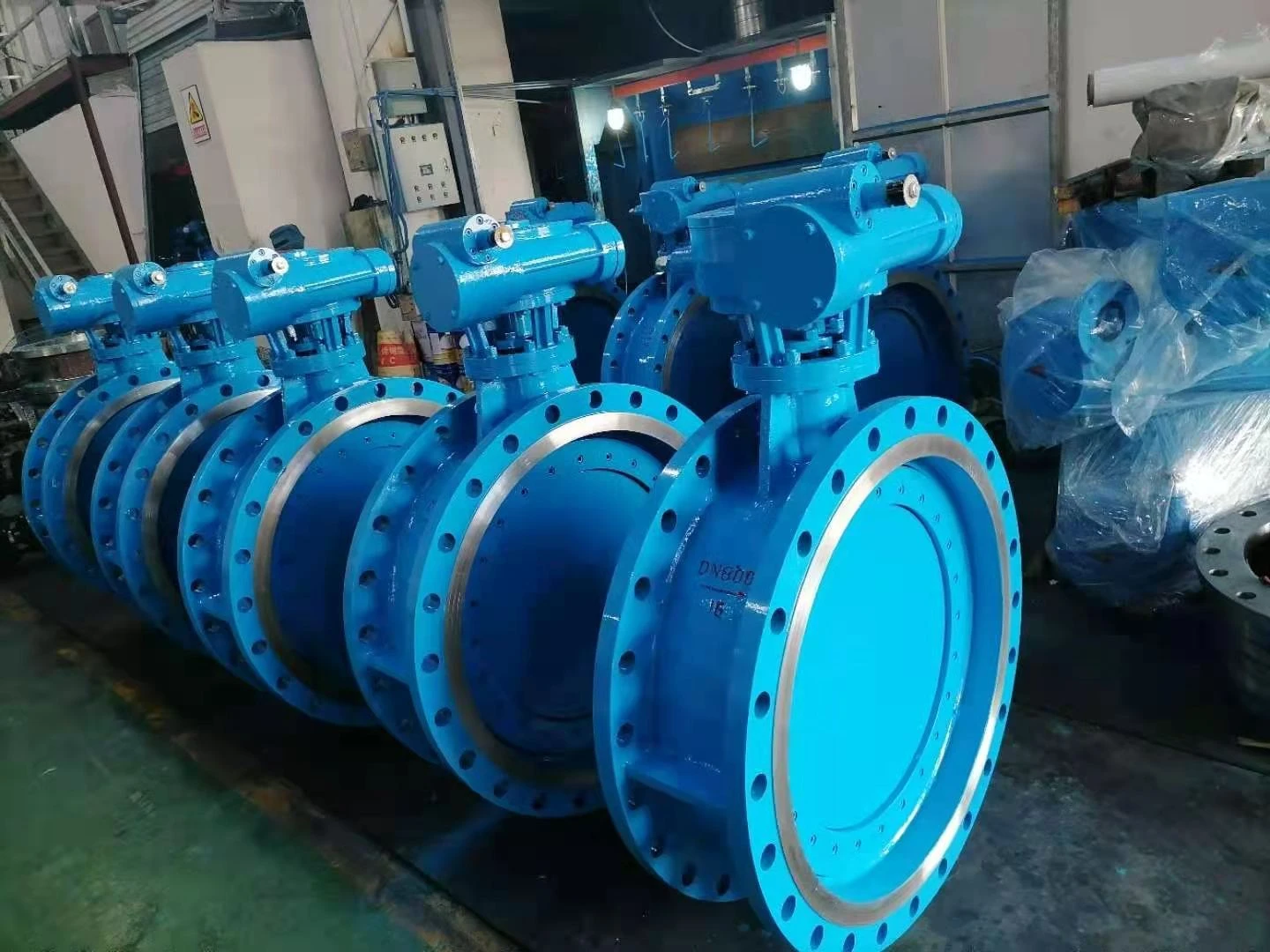
Water Flow Control Device for Efficient Shut-Off and Regulation
Understanding Water Shut-off Valves A Comprehensive Guide Water shut-off valves are essential compon
water valve main
Understanding Water Valve Main Key Components and Importance Water valves are critical components in
 English